Windows for Hassocks houses
Hassocks windows for railway villas, semis and cottages
Hassocks, Keymer and Clayton, with Hurstpierpoint, Ditchling, Albourne and Sayers Common
Sliding sashes for the Victorian villas by the station, casements and steel-look frames for the 1920s and 1930s semis, and careful replacements for the flint cottages in the older villages.
Start with the age of your house
Hassocks is mostly a railway village. Once you know which part of its story your house belongs to, the right window is usually obvious.
Railway-era villas
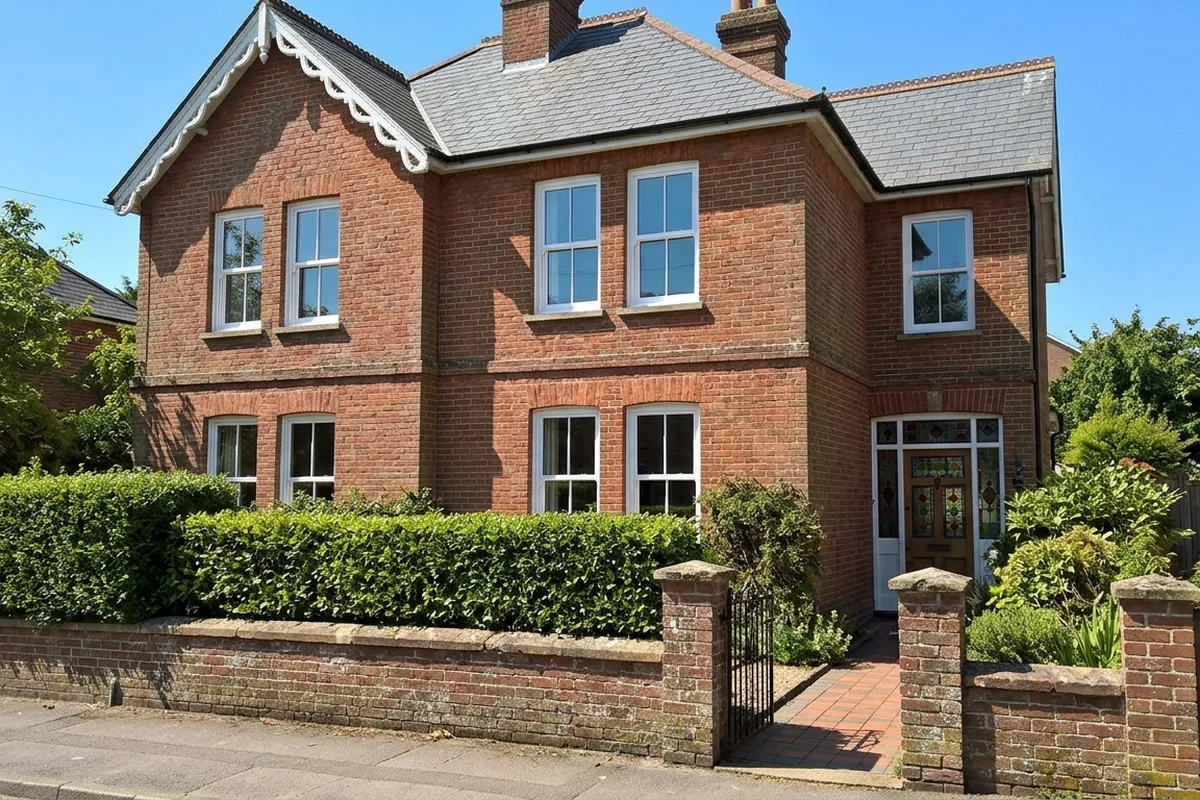
Hassocks Gate station opened in 1841, and the first new houses went up close to it. Around Stonepound and Stanford Avenue there are still large Victorian villas with decorative woodwork, and Parklands Road has gold-brick terraces with sash bays. These houses were built for sliding sashes, and sashes usually look right on them again.
Sash windows1920s and 1930s semis
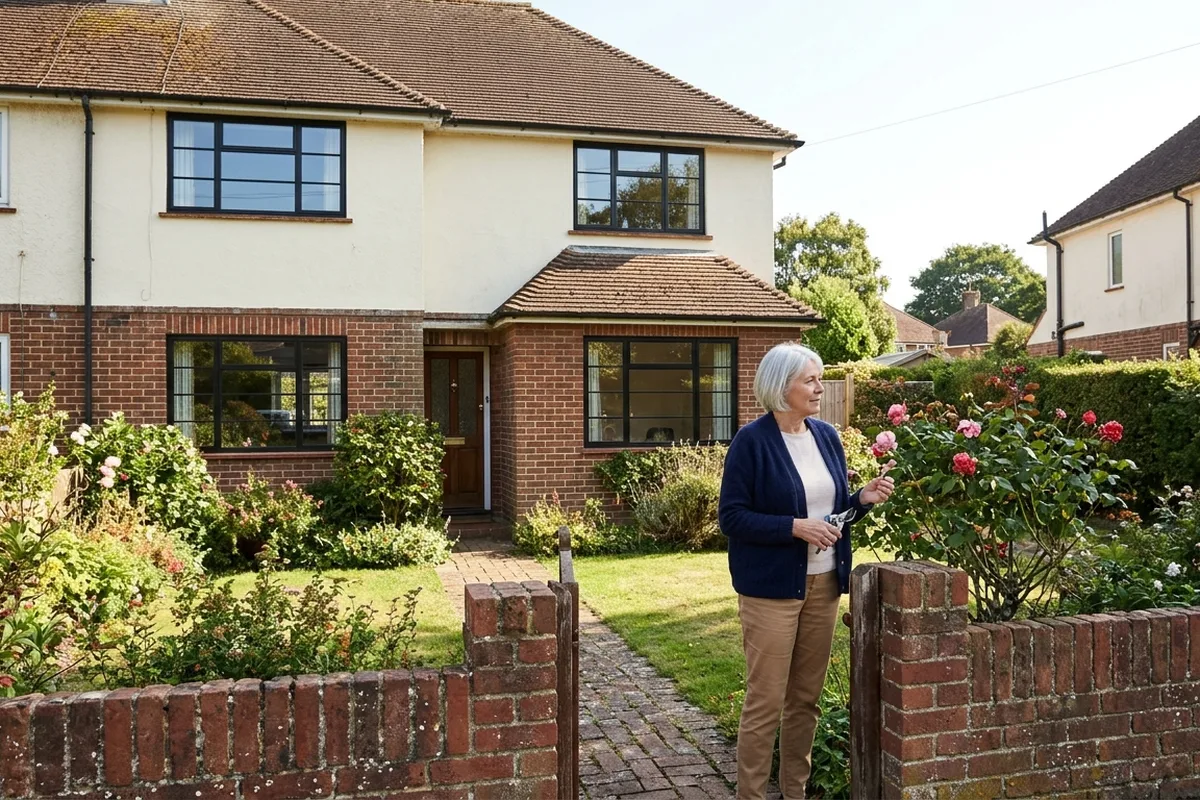
Grand Avenue, Mackie Avenue, Queen's Road and King's Road were laid out in the 1930s with rendered upper floors and metal windows. The parish's own townscape study notes that most of those metal windows went long ago, leaving a mix of styles. A matching set of casements, or slim steel-look frames, pulls a house back together.
Steel-look windowsVillage cottages
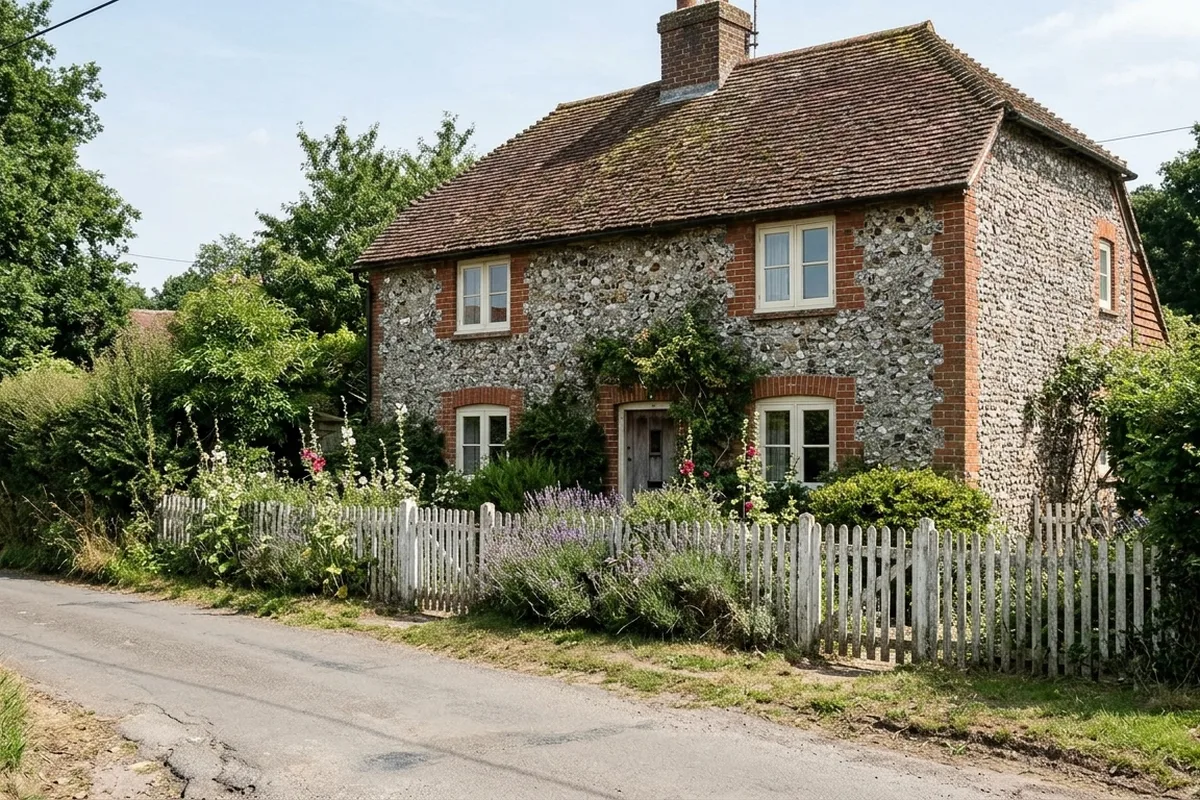
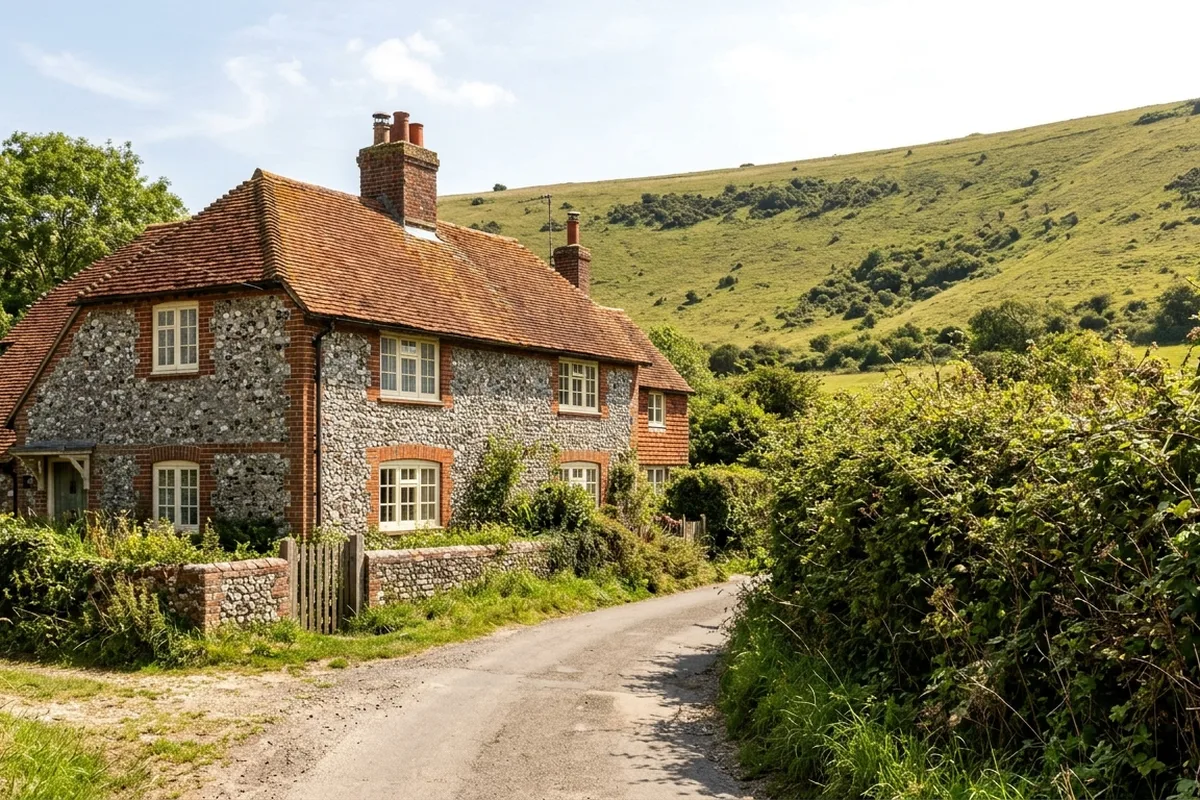
Keymer's centre is 18th-century, with flint walls and brick cottages, and Clayton below the Downs is older still. Small casements, leaded lights and listed buildings need more thought, and some of them have to stay timber. We look at those case by case.
Cottage windowsWindow types for Hassocks houses
From the station villas to the cottages under Wolstonbury, six window types fit nearly every house in the parish.
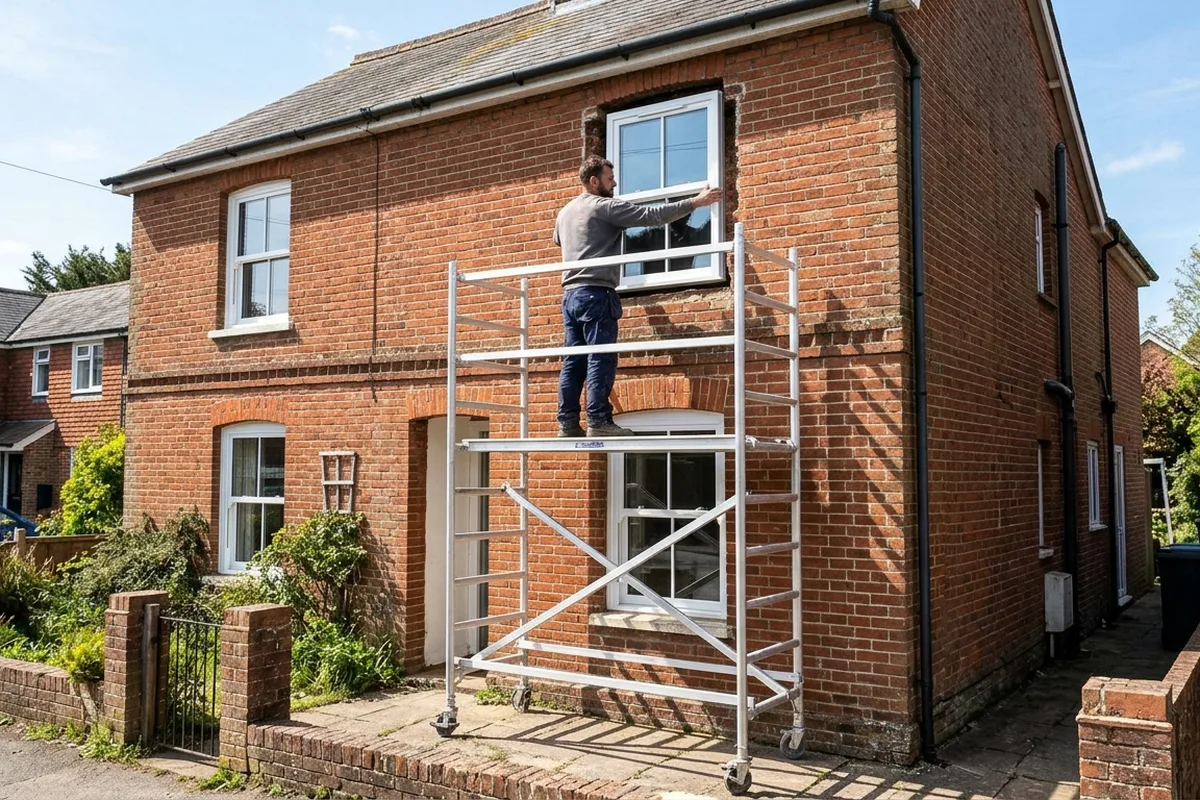 Sash windowsFor the Stonepound villas and Parklands Road terraces, in uPVC or timber.Read more
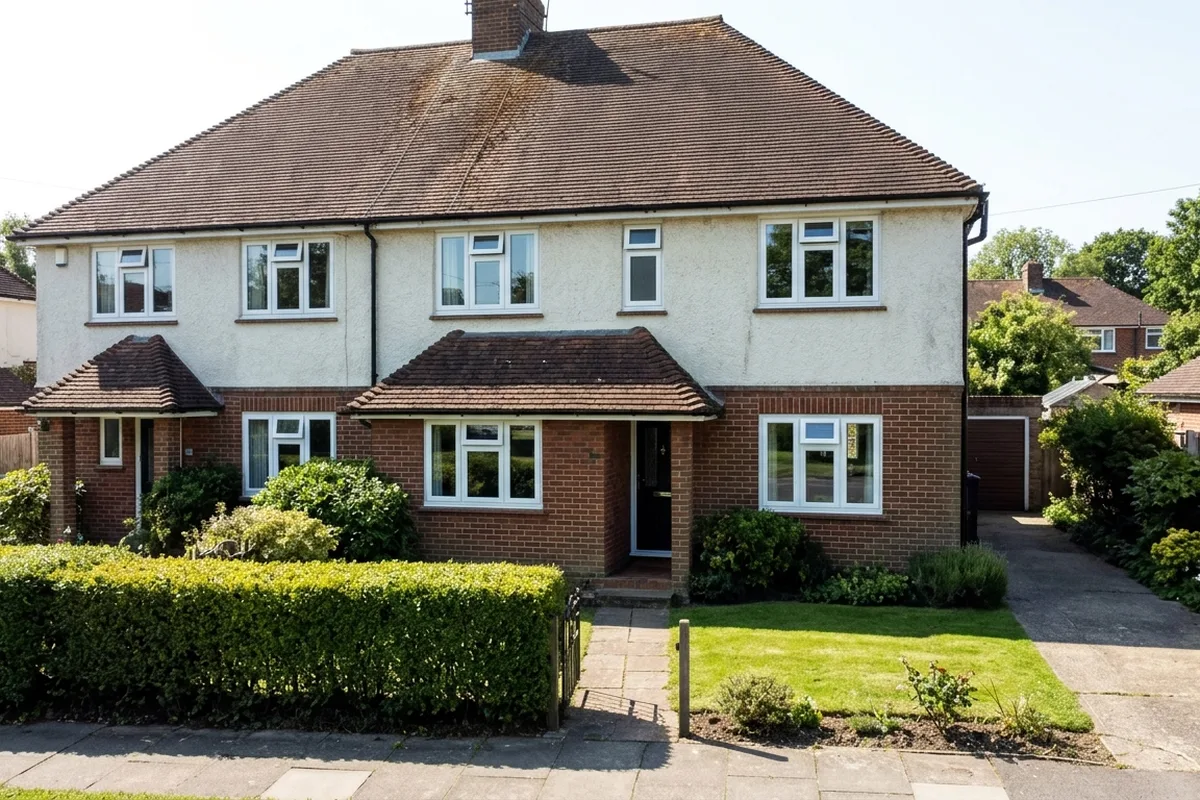 Casement windowsChamfered or flush casements for the 1920s and post-war houses.Read more
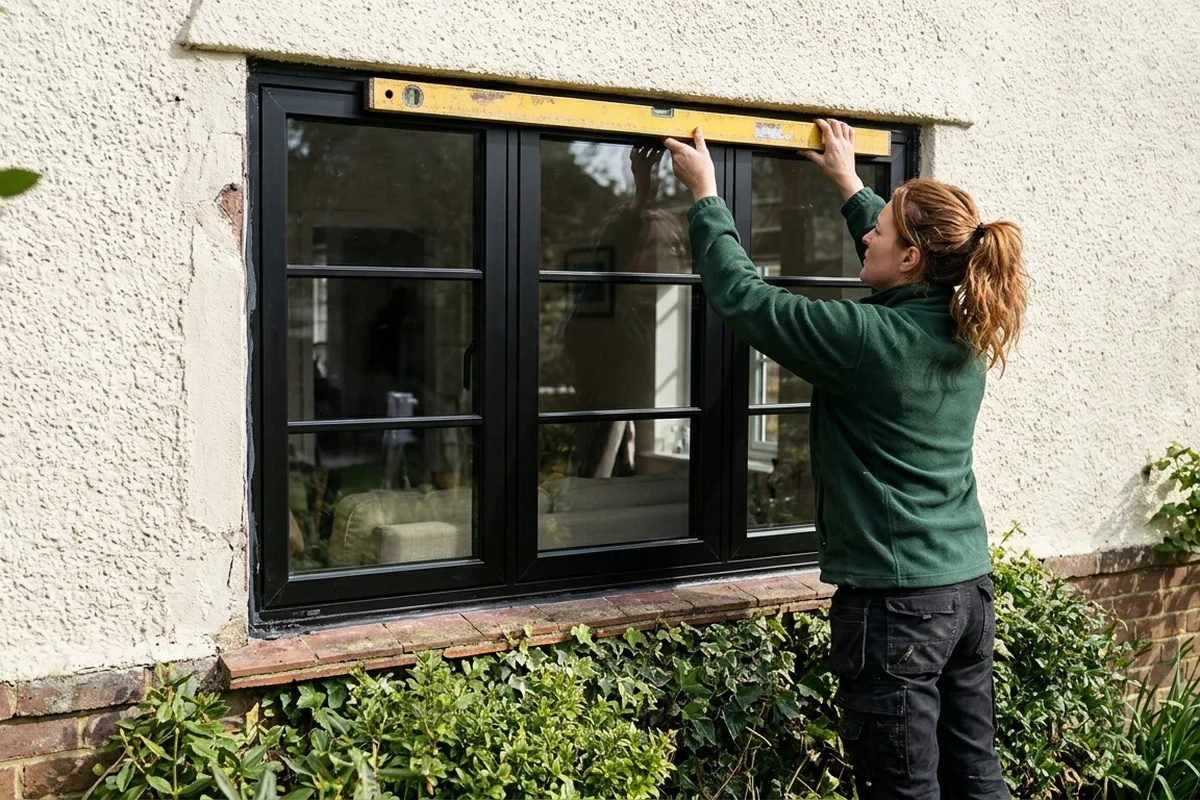 Steel-look windowsSlim black frames for 1930s houses that started with metal windows.Read more
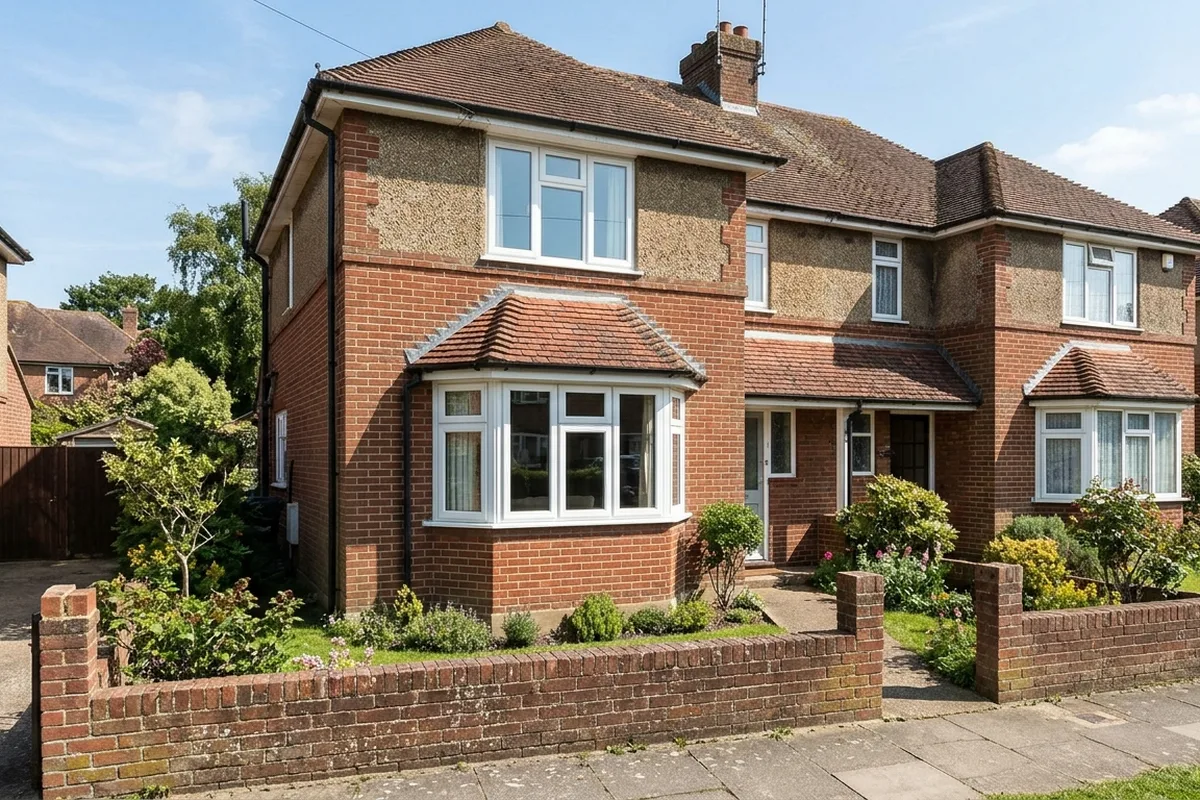 Bay windowsCanted bays for semis and sash bays for the Victorian terraces.Read more
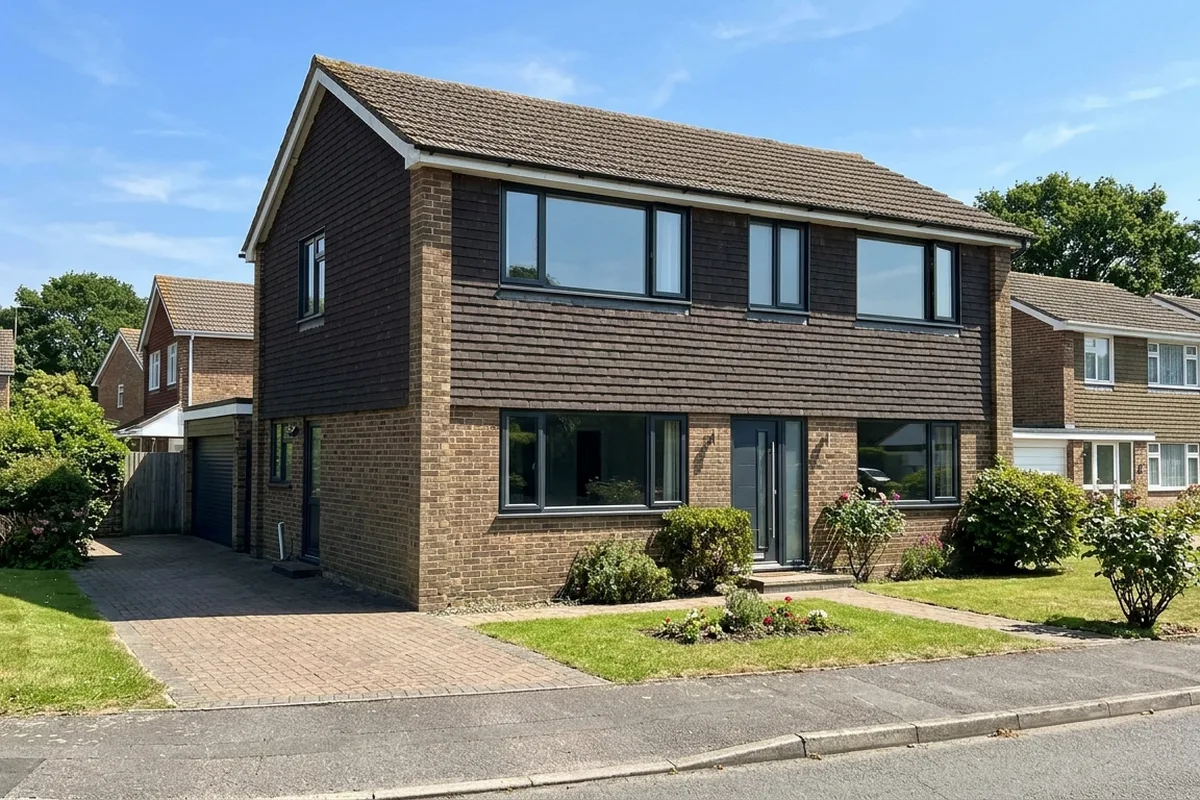 Aluminium windowsSlim casements for the 1960s and 1970s houses off Keymer Road.Read more
 Cottage windowsSmall casements for flint and brick cottages, listed or not.Read more
Talk it through in 15 minutes
Tell us the house and the windows. We will tell you what suits it, what the planning position is, and how the free home visit works.
Planning in and around Hassocks
The centre of Hassocks has no conservation area and sits just outside the South Downs National Park, so most Hassocks houses can have new windows with no application at all, provided they keep roughly the look of the ones coming out.
The exceptions are close by. Keymer, Clayton, Hurstpierpoint, Albourne and Ditchling each have a conservation area. Clayton and Ditchling are inside the National Park, where the National Park Authority decides applications. Listed buildings always need consent, and a flat never has permitted development rights over its windows.
What the parish asks of replacement windows
Hassocks has written down what it wants from new windows more plainly than most villages. The Village Design Statement of 2008 says the pre-war houses here have lost character to plastic replacements, that white uPVC and fake period styles should be avoided, and that thin sills with very wide frame sections look unbalanced. It also points out that glazing bars stuck onto the glass never cast the shadow of a real bar.
The Hassocks Neighbourhood Plan, passed at referendum in March 2020, asks new work to respect the scale and character of the buildings around it and to keep Hassocks, Keymer and Clayton distinct from one another. Neither document is a ban on uPVC, and neither applies to the ordinary replacement that needs no application. They are still a good guide to what will look right in a Hassocks street.
In practice that means three things. Pick a profile with the proportions of the original: a slim flush casement or a sash with a proper meeting rail, not a chunky frame. Where the house had bars, ask for bars applied on the outer and inner surfaces of the unit, lined up over a matching spacer inside it, which is what makes them look real from the pavement. And think about colour: on the red brick of the 1940s houses or a 1930s render, cream, agate grey or a dark green often settles in better than brilliant white.
Glass, vents and Building Regulations
Every replacement window in England has to meet Building Regulations, whether or not planning is involved. Under Approved Document L, a new window in an existing house should reach a U-value of 1.4, or carry a band B energy rating instead. The ventilation rules tightened in June 2022 as well: swapping out windows that had trickle vents means fitting vents at least as big, and where there were none the room must still breathe as well as it did; LABC explains the detail.
For the houses on Woodfield Road and the other streets that back onto the Brighton main line, ask about acoustic laminated glass in the bedrooms facing the track. It costs a little more than standard units and makes a noticeable difference to train noise at night.
A FENSA-registered installer signs all of this off itself and sends you a certificate, which means Mid Sussex building control never needs to be involved.
What windows cost in Hassocks
Six whole-house prices are on the prices page, each for a typical Hassocks house: they run from three windows at the back of a 1930s semi to a full set of timber sashes on a listed Victorian villa.
How a booked call works
- 1
Pick a time
Choose a 15-minute slot on a weekday between 8am and 4pm. The diary opens from the next working day.
- 2
We ring you
We call at the time you chose. Have a rough count of the windows and, if you know it, the age of the house.
- 3
Free home visit
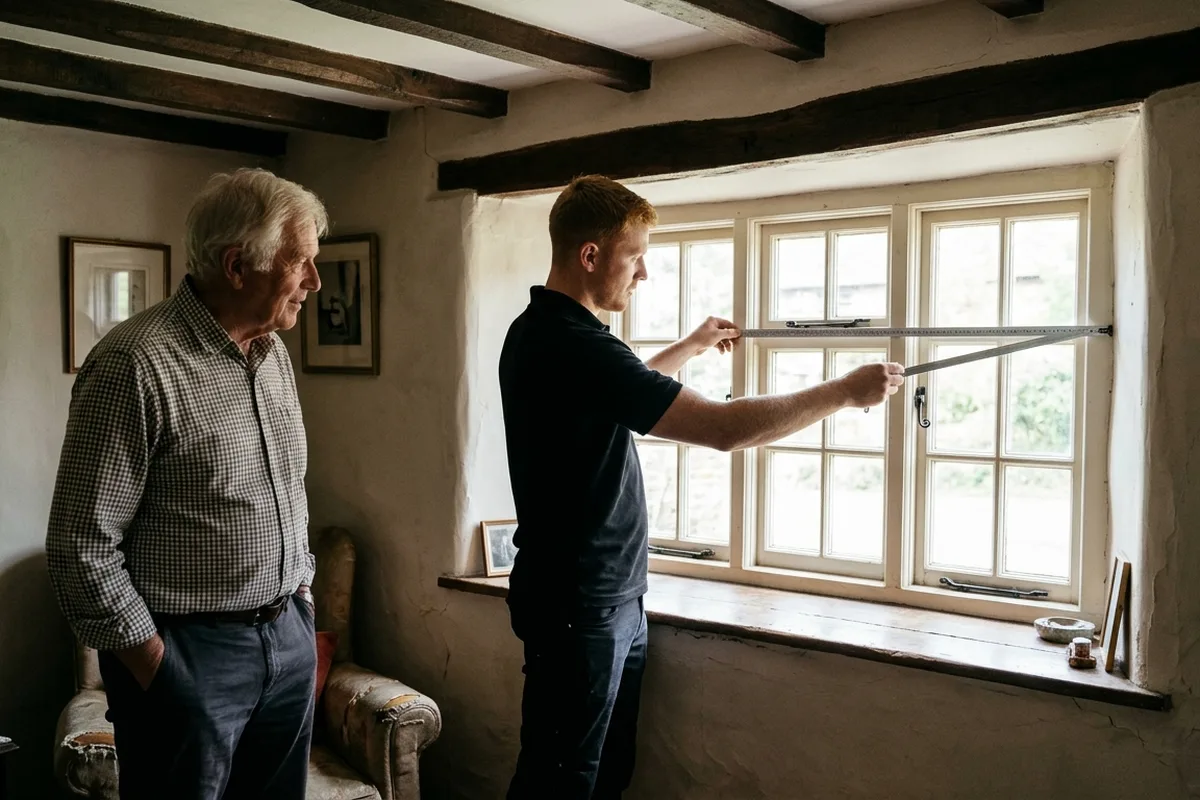
If it is worth it, a FENSA-listed installer who runs a showroom not far from Hassocks comes out to measure and puts the quotation in writing.
Hassocks and six villages
We cover Hassocks itself and the villages around it, from Albourne and Sayers Common in the west to Ditchling in the east.
- HurstpierpointThree conservation areas and Barry's church
- KeymerThe flint core of the parish, a conservation area since 1989
- DitchlingInside the National Park, with an Article 4 direction
- ClaytonThe windmills, the tunnel portal and Underhill Lane
- Sayers CommonThe old Brighton road and its newer streets
- AlbourneTwo old settlements that grew into one
Quick answers for Hassocks homeowners
Is my house in a conservation area?
Probably not if you live in central Hassocks, which has none. Keymer and Clayton have conservation areas within the parish, and Hurstpierpoint, Albourne and Ditchling each have their own. The council maps show the exact boundaries.
Who handles planning for Clayton and Ditchling?
The South Downs National Park Authority, because both villages are inside the National Park. Hassocks, Keymer, Hurstpierpoint, Sayers Common and most of Albourne come under Mid Sussex District Council.
Is white uPVC a bad idea on an older Hassocks house?
Not always, but the parish design statement advises against bright white plastic on pre-war houses. A woodgrain or heritage colour finish with proper proportions usually sits better on Victorian brick and 1930s render.
Will the new windows need trickle vents?
If the old windows had them, yes, and the new vents must be at least as large. If they did not, the installer has to make sure the room is ventilated no worse than before, which often means adding vents anyway.
Ready when you are
Choose a quarter-hour slot on the booking page, or ring during the working day.